Decimal odds multiply the stake into gross return
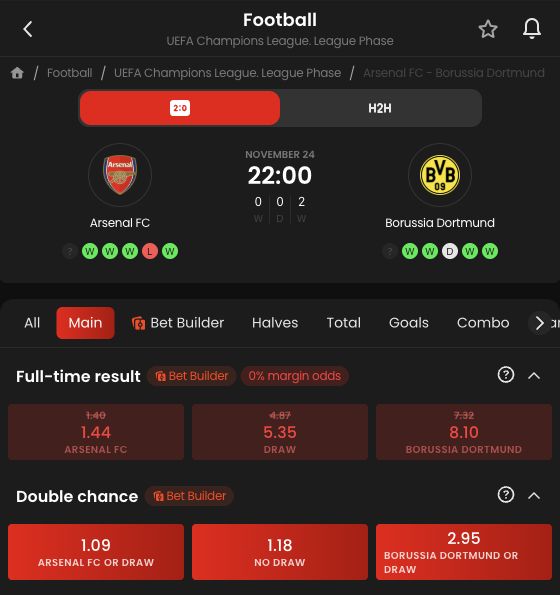
Decimal odds express the gross return per unit staked for a winning selection under its settlement conditions. The original stake is included in that gross figure. In a Zora betslip, therefore, distinguish a potential return from a net profit label before doing any comparison. Reading the same number as both creates an immediate accounting error.
Read the label next to the displayed figure before calculating. Potential return, winnings and profit can be used differently across interfaces, so confirm whether the original stake is included. The basic cash formula for an ordinary win is stake multiplied by accepted decimal odds. Net profit then subtracts the stake already committed. A larger gross number is not all new income. This distinction is useful both before confirmation and when checking an account entry after settlement. It also prevents a returned stake from being recorded as a successful profit merely because money reappeared in the balance after a void or push.
Separate a win, loss and refund in the ledger
Using invented figures, a €12 stake at 2.40 gives a gross return of €28.80 if it wins normally. Subtracting the €12 stake leaves €16.80 net. If the selection loses, the gross return is zero and the net result is −€12. A refund would be a third outcome: the stake returns, but that does not create €12 of profit.
Write the example in four fields: twelve units committed, price 2.40, gross return 28.80 and net result plus 16.80. For a loss, the gross field is zero and the net field minus twelve. For a full refund, gross is twelve and net zero. These categories should not be collapsed into a single received-money column. If an account entry uses a different currency or includes another adjustment, identify that separately rather than altering the accepted odds in your notes. The arithmetic example explains ordinary cash treatment and does not state that a promotional token, partial settlement or special deduction follows the same formula.
Reciprocal price is not a verified event forecast
The reciprocal of decimal odds offers a separate calculation. One divided by 2.40 is approximately 41.67%. This is the break-even percentage associated with that price before other considerations; it is not a verified probability of the real event. Comparing the reciprocals of all mutually exclusive outcomes can also reveal that their sum need not equal 100%, so displayed prices should not be mistaken for neutral forecasts.
The reciprocal is a price-based break-even calculation under a simplified model, not independent evidence about the contestants. For two invented mutually exclusive prices of 1.90 and 1.90, the reciprocals sum to roughly 105.26%, rather than exactly 100%. That demonstrates why quoted prices should not be read as a neutral complete probability model. It does not tell you which outcome will occur or prove that a particular selection is profitable. Avoid converting the calculation into a forecast without additional justified information. The useful lesson for reading a slip is to distinguish a mathematical property of a price from knowledge about the real event.
Use the accepted price and the correct funding type
Record stake, accepted price, gross return and net result in separate fields. Use the accepted price from the ticket if it differs from an earlier screen. Bonus stakes, deductions, voids or other special settlement rules may change the arithmetic, and must be handled according to the actual product terms.
When odds move between browsing and acceptance, use the price saved on the accepted ticket. Also verify that the stake did not change and that the selected line and market remained the same. If a free bet is used, find whether the promotional stake is returned before applying cash arithmetic. For a void leg in a multiple, first identify the settlement factor permitted by the rules. Keep gross and net columns even when the product becomes more complex. This makes discrepancies easier to locate: an incorrect input, a different funding format and a special settlement condition are separate possible explanations, not interchangeable guesses.